
Sunflower seeds are one of those snacks I always keep around, but I never really thought about roasting them myself until I stumbled on a small, forgotten bag in the back of my pantry. There’s something satisfying about turning something so simple into a smoky, crunchy bite that’s way better than store-bought. It’s like bringing a tiny bit of the farm into your kitchen, and honestly, it’s addictive.
Roasting sunflower seeds might sound mundane, but it’s also a bit of an art—finding the right heat, listening for that pop, and catching the perfect moment when they turn golden and smell like toasted heaven. Plus, once you get the hang of it, it’s endlessly customizable. A pinch of salt, a dash of smoked paprika, or even a sprinkle of cayenne can turn these humble seeds into a snack with real personality.
Exploring the overlooked art of roasting sunflower seeds at home, turning a simple snack into a deeply smoky, crave-worthy treat.
The story behind this recipe
- One rainy afternoon, I found an old bag of sunflower seeds buried in the back of my pantry. I decided to try roasting them myself, just to see if I could elevate this everyday snack. The smell that filled the kitchen—warm, nutty, with a hint of smoky promise—was a surprise even to me.
- That moment sparked a little ritual: roasting seeds as a way to slow down and enjoy a simple pleasure. It’s become my go-to for a quick snack when I need a break or a burst of flavor on a lazy weekend.
- Over time, I started experimenting with spices and textures, realizing how customizable and forgiving roasting can be. This humble seed became my tiny canvas for flavor.
Component insights for perfect roasting
- Sunflower seeds: I always choose raw, shelled seeds for the best control over flavor and texture. You can try pre-shelled if you’re in a rush, but the roasting won’t be as even.
- Salt: I prefer coarse sea salt—it clings nicely during roasting and adds a satisfying crunch. For a milder snack, reduce the salt or skip it entirely.
- Oil: A light coating of neutral oil helps the seeds toast evenly and develop a golden hue. Olive oil works well, but I sometimes use avocado oil for a smoky undertone.
- Spices: I love experimenting with smoked paprika or cayenne—adds depth and a kick. Keep it light at first, then adjust to your heat tolerance.
- Sweeteners: A drizzle of honey or maple syrup at the end can add a caramelized crunch. Just be careful not to burn the sugars during roasting.
- Additional flavorings: Garlic powder, onion powder, or a pinch of cumin turn these into a more complex snack. Toss them on after roasting for best flavor infusion.
- Optional extras: For a savory twist, sprinkle grated Parmesan or nutritional yeast once cooled. It adds a cheesy umami richness that’s hard to resist.
Spotlight on Key Ingredients
Sunflower seeds:
- I prefer raw, shelled seeds for control over flavor and even roasting. Shelled seeds simplify prep but may roast unevenly if pre-shelled are inconsistent.
- Their natural oil content: I notice how they release a toasty, nutty aroma as they roast, creating a smoky scent that fills the kitchen. Keep an eye on their color for perfect crunch.
Salt:
- Coarse sea salt sticks better during roasting, giving a satisfying crunch and burst of savory flavor. Fine salt dissolves too quickly, so I stick with the coarser grains for texture.
- It helps accentuate the nutty flavor and enhances the overall smoky aroma. Adjust quantity based on your salt preference—less for milder, more for punchy.
Notes for ingredient swaps
- Dairy-Free: Nut-based butters like tahini can replace oil for a richer, earthy flavor, though it may be a bit thicker and nuttier.
- Salt Alternatives: Use soy sauce or tamari instead of salt for umami depth; be mindful of added liquid and adjust roasting time slightly.
- Oil Choices: Sesame oil adds a toasted aroma and richer taste, but use sparingly as it’s quite strong and smoky.
- Sweeteners: Maple syrup or agave syrup can replace honey for a vegan option, giving a caramelized, sweet crunch.
- Spice Variations: Curry powder or za’atar can add a fragrant twist, but start with small amounts to avoid overpowering.
- Additional Flavorings: Nutritional yeast offers cheesy umami without dairy, perfect for savory, cheesy notes.
- Optional Add-Ins: Crushed dried herbs like rosemary or thyme sprinkle on after roasting for fresh herbal brightness.
Equipment & Tools
- Rimmed baking sheet: To hold seeds evenly and prevent spillage during roasting.
- Spatula or spoon: To stir seeds midway for even browning.
- Cooling rack or plate: To allow seeds to cool and crisp up after roasting.
- Measuring spoons: To add oil and seasonings precisely.
Step-by-step roasting guide
- Preheat your oven to 180°C (350°F). Use a rimmed baking sheet to ensure even roasting and easy handling.
- Spread a layer of raw sunflower seeds on the baking sheet. Aim for a single, even layer to promote uniform roasting.
- Optional: Toss seeds with a teaspoon of neutral oil and a pinch of sea salt for enhanced flavor and crunch.
- Place the baking sheet in the oven. Roast for about 10 minutes, then stir the seeds gently to promote even color and toast.
- Continue roasting for another 8-10 minutes, watching carefully. The seeds should turn a golden-brown and emit a nutty aroma.
- Check for doneness: seeds should be crispy, fragrant, and slightly darker around the edges. If they smell burnt or are too soft, remove immediately.
- Remove from oven. Let the seeds cool on the sheet for 10 minutes. They will crisp up further as they rest.
- Taste a seed to confirm crunch and flavor. If you like, sprinkle with spices or a dash of smoked paprika while still warm.
- Once cooled, transfer to an airtight container. Store at room temperature for up to a week for maximum freshness.
- Serve as a snack, sprinkle over salads, or mix into trail mixes for a smoky crunch.
Allow seeds to cool completely on a rack. Store in an airtight container to maintain crunch and flavor.
How to Know It’s Done
- Color: Seeds should be golden-brown with a slightly darker edge.
- Aroma: Expect a warm, nutty, toasted smell—should be fragrant, not scorched.
- Texture: Seeds should feel crispy and crackle when bitten.
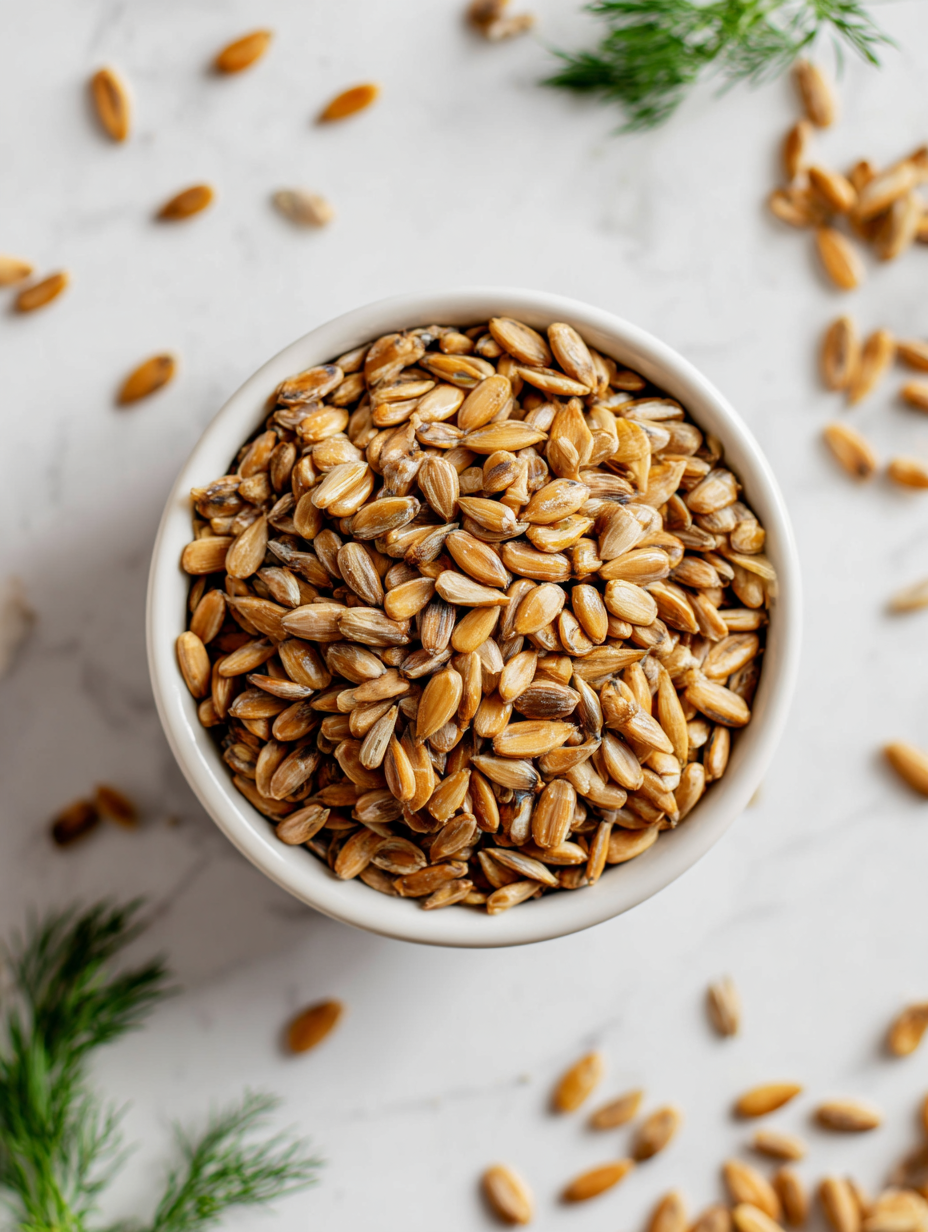
Homemade Roasted Sunflower Seeds
Ingredients
Equipment
Method
- Preheat your oven to 180°C (350°F) and line a rimmed baking sheet with parchment paper or keep it unlined for direct roasting.
- Spread the raw sunflower seeds evenly in a single layer on the baking sheet, making sure they’re not piled up.
- If desired, drizzle the seeds with a teaspoon of neutral oil and toss gently to coat. Sprinkle the coarse sea salt evenly over the seeds.
- Place the baking sheet in the oven and roast for 10 minutes, then remove and stir the seeds with a spatula or spoon to promote even browning.
- Return the seeds to the oven and continue roasting for another 8-10 minutes, keeping a close eye for color changes and aroma. The seeds should turn a warm golden-brown and smell nutty and toasted.
- Once the seeds are evenly toasted and fragrant, remove the baking sheet from the oven and transfer the seeds to a cooling rack or plate to cool completely, allowing them to crisp up further.
- After cooling, taste a seed to check for crunch and flavor. If desired, toss with additional spices like smoked paprika or cayenne for extra flavor while still warm.
- Store the cooled seeds in an airtight container at room temperature for up to a week for maximum freshness and crunch.
- Enjoy these homemade roasted sunflower seeds as a snack, sprinkle over salads, or mix into trail mixes for a smoky, crunchy kick.
Pro tips for perfect sunflower seeds
- Bolded mini-head: Use a light oil coating to ensure even roasting and a golden, crispy finish.
- Bolded mini-head: Stir the seeds halfway through roasting for uniform color and prevent burning.
- Bolded mini-head: Keep an ear out for a crackling sound—once it slows, seeds are ready to come out.
- Bolded mini-head: For extra smoky flavor, toss seeds with smoked paprika before roasting.
- Bolded mini-head: If seeds start to look too dark early, lower oven temperature slightly to prevent overcooking.
- Bolded mini-head: Test a seed after cooling—should be crunchy and fragrant, not soft or burnt.
- Bolded mini-head: For a more intense flavor, roast seeds a minute longer, but watch carefully to avoid scorching.
Common mistakes and how to fix them
- FORGOT to check seed color → Seeds should be golden-brown and fragrant.
- DUMPED in too much oil → Use just enough to lightly coat seeds for even roasting.
- OVER-TORCHED seeds → Remove from oven immediately if they smell burnt or turn dark.
- MISSED stirring step → Stir halfway through to prevent uneven browning and scorching.
Fast fixes for roasting mishaps
- If/When seeds look dull → Splash with a tiny bit of oil and restart roasting for shine.
- When seeds are burnt → Dump the tray immediately, lower oven temp, and keep a close eye next time.
- If seeds stick to the pan → Patch with parchment paper or a non-stick baking sheet for easy cleanup.
- When seeds are unevenly roasted → Stir more frequently or spread in a thinner layer for even color.
- Splash with water if seeds crackle excessively → Keeps them from scorching and reduces smoke.
Prep, store, and reheat tips
- You can roast the sunflower seeds a day in advance; keep them in an airtight container at room temperature for up to a week, and they’ll stay crispy and fragrant.
- If you want to prep the seeds ahead, toast them and let cool completely before storing. Reheat in a 150°C (300°F) oven for 3-5 minutes until warm and aromatic—listen for that crackle.
- Stored seeds may lose some freshness over time, so for the best flavor, consume within a week. Keep away from humidity to prevent sogginess.
- Reheating seeds refreshes their crunch and aroma. Spread on a baking sheet, warm for a few minutes, and smell that smoky, nutty scent again.
Top questions about roasted sunflower seeds
1. How do I know when sunflower seeds are perfectly roasted?
Roasted sunflower seeds should crackle when you bite into them, indicating they’re crispy and ready. The aroma will be warm, toasted, and nutty, and they’ll turn a light golden-brown. If they smell burnt or are soft, they need more monitoring or less time.
2. Can I make roasted sunflower seeds ahead of time?
To keep them crispy, store roasted seeds in an airtight container at room temperature. They’re best consumed within a week. Reheat briefly in a 150°C (300°F) oven until you hear a faint crackle and smell that smoky aroma again.
3. How far in advance can I prepare these seeds?
Yes, you can roast seeds a day in advance. Let them cool completely, then keep in a sealed container. Reheat for a few minutes at low temperature to restore crunch and aroma, but they’re delicious even at room temp.
4. What if my seeds burn or turn out uneven?
If seeds look dull or unevenly baked, give them a quick toss with a little oil and roast for an extra minute or two. For over-browned seeds, remove them immediately and lower your oven temperature next time.
5. What are some tips for even roasting?
Use a rimmed baking sheet for even heat, stir halfway through roasting, and keep a close eye after 8 minutes. Seeds should turn golden and smell toasty but not scorched. Adjust time based on your oven’s quirks.
6. Can I substitute ingredients in the recipe?
You can swap olive oil for avocado or sesame oil for richer flavor. If you want a dairy-free, vegan option, try a splash of soy sauce instead of salt, but cut back on liquid to prevent steaming.
7. What should I look for in good sunflower seeds?
Sunflower seeds release a warm, nutty smell and become slightly oily as they roast. They’re very responsive to heat—watch for a color change that’s just a shade darker than raw seeds to prevent burning.
8. What common roasting mistake can I fix easily?
Forgot to stir? Seeds may burn or brown unevenly. Fix this by stirring more frequently next time and spreading seeds in a single layer for even roasting.
9. How do I prevent burning my seeds?
When seeds look too dark early, lower your oven temperature slightly or shorten roasting time. To avoid burnt seeds, remove them promptly once they smell toasted and look golden.
10. Quick fixes for roasting issues?
When seeds stick or aren’t crispy enough, patch with parchment paper or spread thinner in the pan. If they crackle excessively, add a splash of water and roast for a few more seconds to keep them from scorching.
Roasted sunflower seeds might seem simple, but they carry a nostalgic, deeply satisfying crunch that’s hard to beat. Once you catch that smoky aroma filling the kitchen, it’s like a little celebration in every bite. They’re perfect for snacking, sharing, or adding a crispy touch to salads and bowls.
Sometimes, it’s the smallest kitchen acts that reconnect us to tradition and honest flavors. These seeds remind me that a bit of patience and a watchful eye can turn everyday ingredients into something memorable. And honestly, once you start, it’s tough to stop cracking open just one more handful.