
Chicken breasts are a staple that can sometimes feel dull or dry if not handled right. I’ve learned that a quick sear and proper resting turn them into something special, even on busy weeknights. It’s about respecting the meat’s natural tenderness and not overcooking it.
Why This Chicken Keeps Calling Me Back
It’s reliable and forgiving, yet endlessly adaptable. The quick cook means I can whip up something flavorful even on busy nights. The smell of searing chicken, with hints of smoky paprika and garlic, always pulls me into the kitchen.
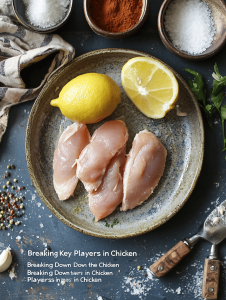
Breaking Down the Key Players in Chicken
- Chicken breasts: : Lean, tender, quick to cook—best when pounded to even thickness for uniform doneness.
- Salt & pepper: : Basic but essential—brings out flavor; don’t skimp here.
- Smoked paprika: : Adds a smoky depth—substitute with chipotle powder or omit if you prefer plain.
- Olive oil: : For searing—use neutral oil if you want a milder flavor.
- Lemon: : Brightens everything—use freshly squeezed for best zing.
- Herbs (parsley, thyme): : Fresh herbs lift the dish—dried works in a pinch, but less vibrant.
- Garlic (optional): : Adds aromatic punch—minced fresh or powder, depending on your mood.
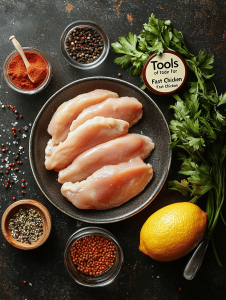
Tools of the Trade for Fast Chicken
- Heavy skillet (cast iron preferred): Provides even heat and develops a good sear.
- Meat mallet or rolling pin: Pounds chicken to even thickness.
- Instant-read thermometer: Checks doneness without guesswork.
- Tongs: Flips the chicken gently.
- Paper towels: Pat chicken dry for better browning.
Simple Steps to Juicy, Fast-Cooked Chicken Breasts
Step 1: Start by pounding the chicken breasts to an even thickness—about 1.5 cm (0.6 inches). This helps them cook evenly and stay juicy.
Step 2: Heat a heavy skillet—cast iron if you have it—over medium-high heat until shimmering, around 180°C (350°F).
Step 3: Season the chicken generously with salt, pepper, and a dash of smoked paprika for a subtle smoky aroma.
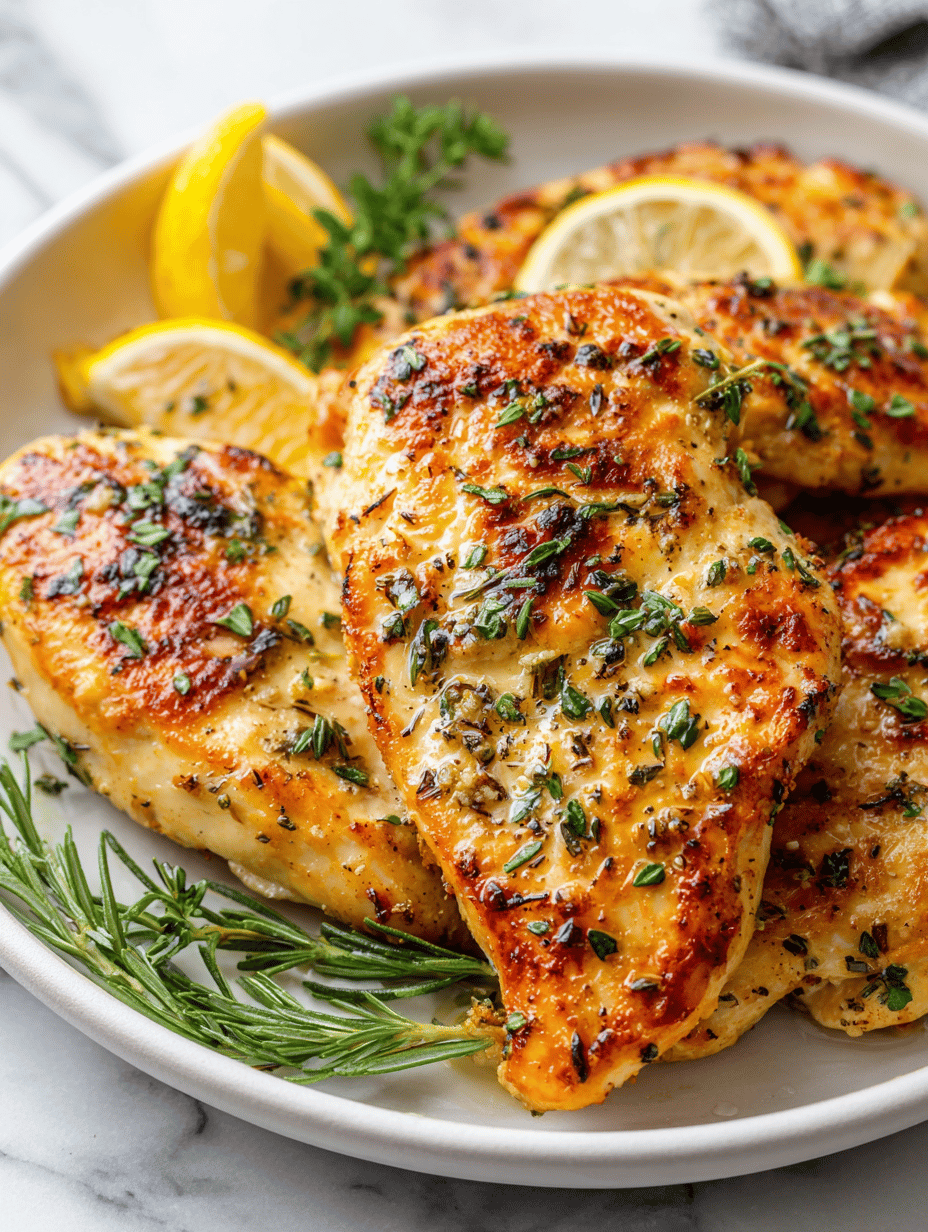
Step 4: Add a splash of oil—olive or neutral—to the hot skillet, then lay the chicken breasts in, smooth side down. Sear for 3-4 minutes until golden.
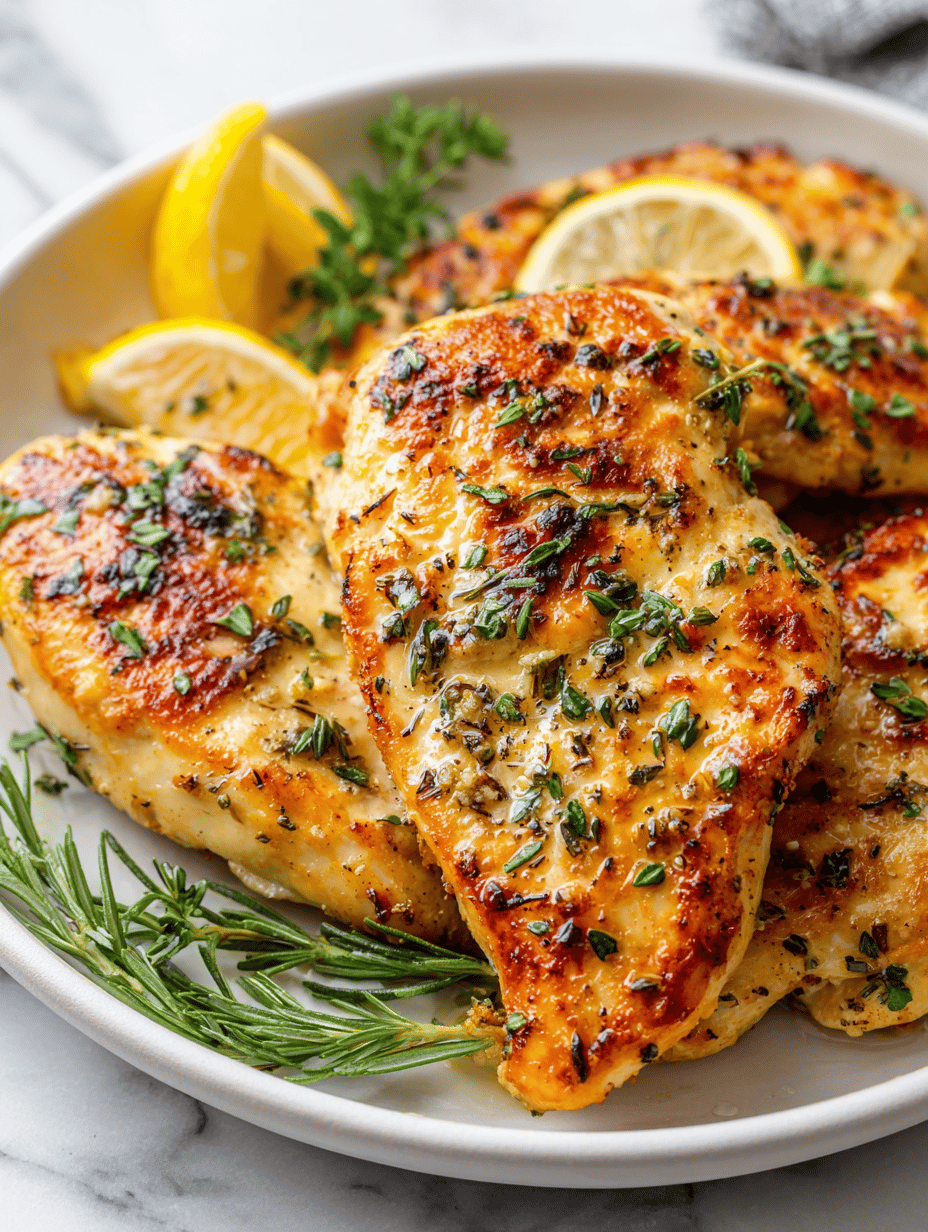
Step 5: Flip the chicken and cook for another 4-5 minutes, or until the internal temperature reaches 74°C (165°F). The juices should run clear.
Step 6: If the chicken browns too quickly, turn down the heat to medium. If it’s not browning, increase heat slightly.
Step 7: Remove from pan and let rest for 5 minutes—this helps the juices redistribute.
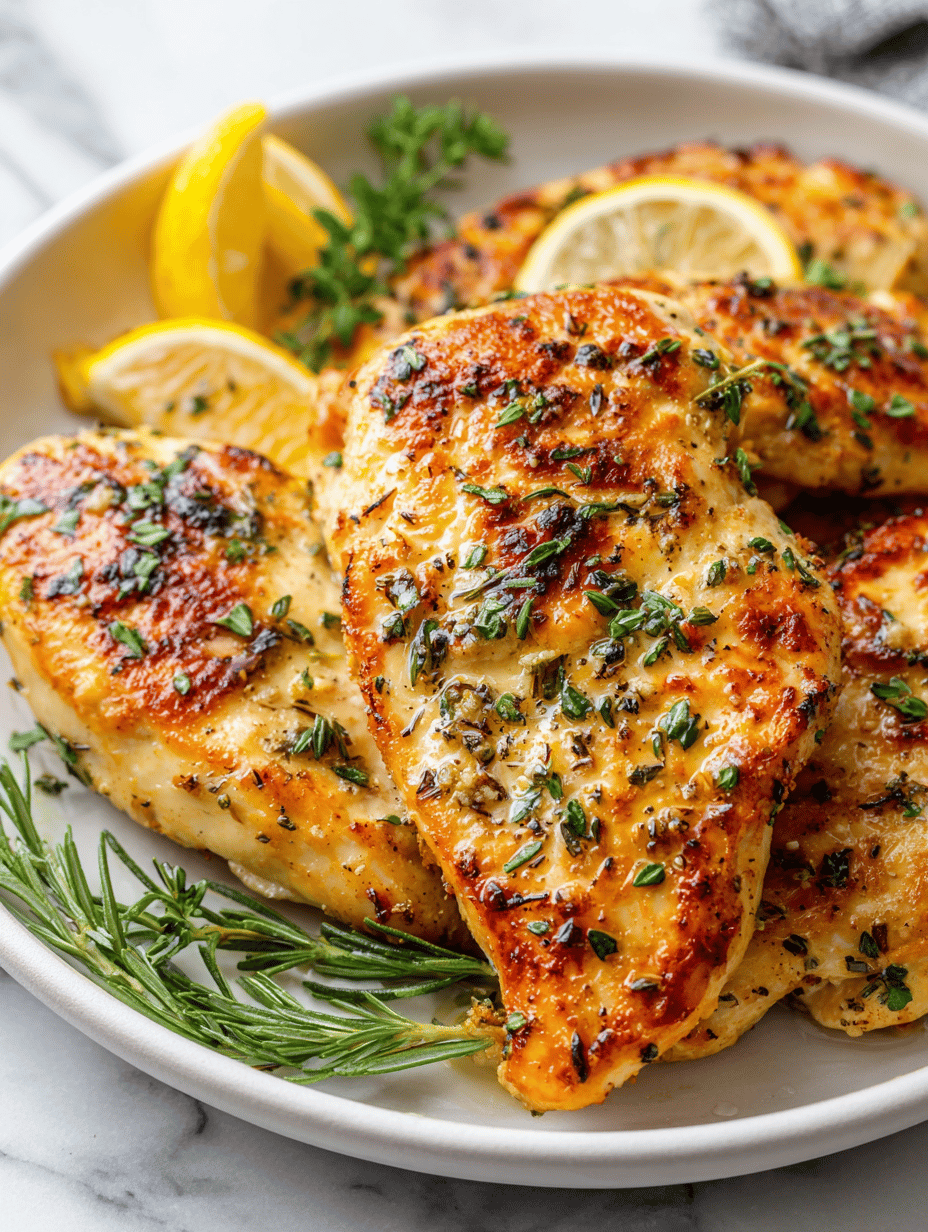
Step 8: Slice and serve with a squeeze of lemon or a quick herb sauce for a fresh contrast.
Cooking Checkpoints to Nail Juicy Chicken
- Chicken should be golden brown on both sides before flipping.
- Internal temperature should reach 74°C (165°F) for safe and juicy meat.
- The juices should run clear when you pierce the thickest part.
- The meat should feel firm but give slightly under pressure—no rubbery texture.
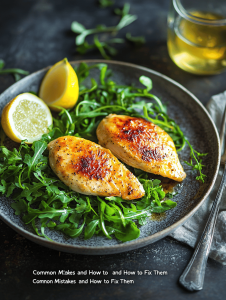
Common Mistakes and How to Fix Them
- Cooking blindly until it looks done.? Use a thermometer to avoid overcooking.
- Cutting into hot chicken immediately.? Let the chicken rest before slicing.
- Burning or under-searing the meat.? Adjust heat if browning too fast or slow.
- Leaving excess moisture that prevents browning.? Pat the chicken dry before cooking.
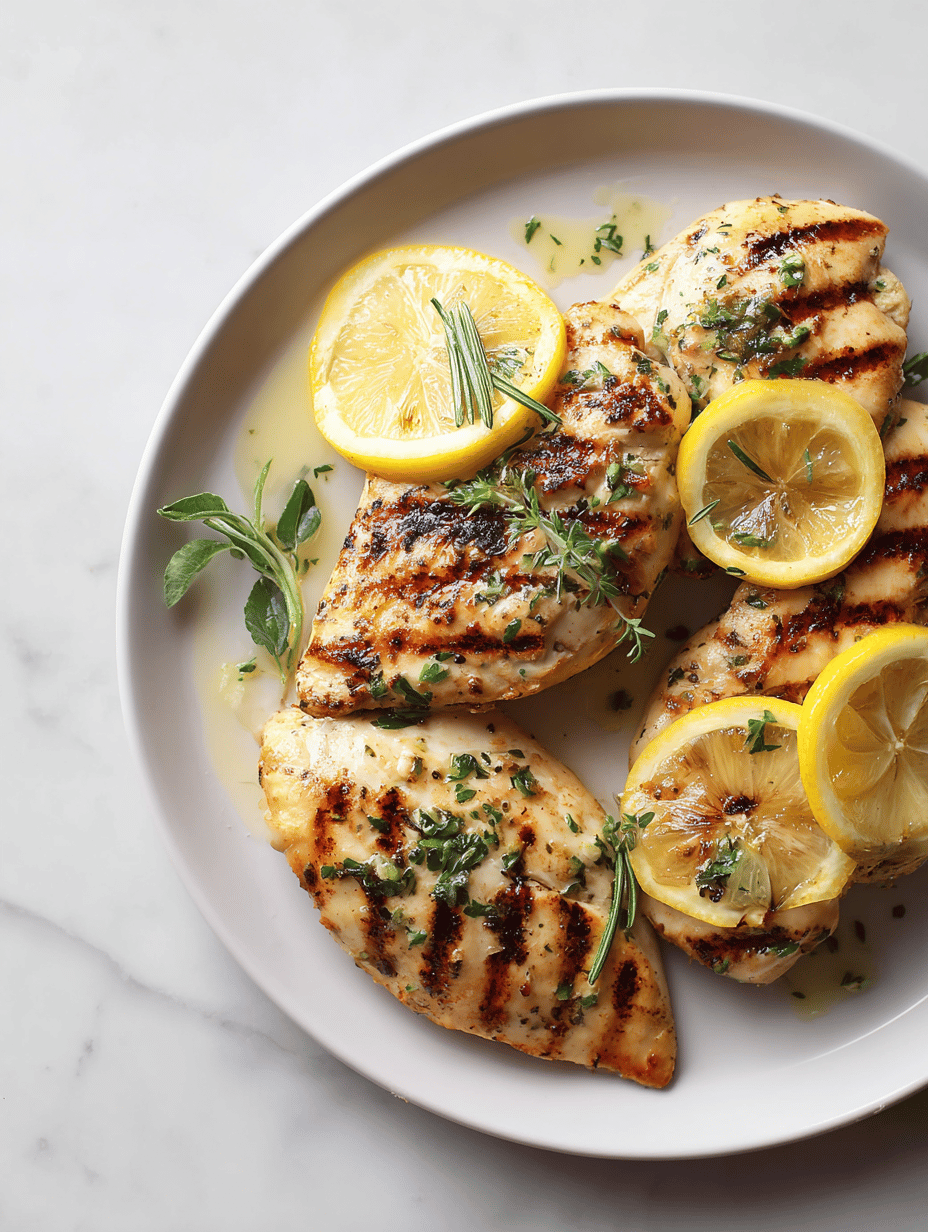
Seared Juicy Chicken Breasts with Lemon and Herbs
Ingredients
Equipment
Method
- Pat the chicken breasts dry with paper towels to remove excess moisture, then use a meat mallet or rolling pin to pound them to an even thickness of about 1.5 cm (0.6 inches). This helps them cook evenly and stay juicy.
- Heat a heavy skillet over medium-high heat until it’s shimmering and hot, around 180°C (350°F). This ensures a good sear and golden crust.
- Mix together salt, black pepper, and smoked paprika in a small bowl. Generously season both sides of the chicken breasts with this spice blend, pressing in slightly for even coverage.
- Add a splash of olive oil to the hot skillet, then carefully lay the chicken breasts in, smooth side down. Sear for 3-4 minutes, pressing gently to ensure contact, until the surface turns a deep golden brown and releases easily from the pan.
- Flip the chicken using tongs and cook for another 4-5 minutes, or until an instant-read thermometer inserted into the thickest part reads 74°C (165°F). The juices should run clear, and the exterior should be nicely browned.
- If the chicken browns too quickly, turn down the heat to medium; if it’s not browning enough, increase the heat slightly. Adjust as needed to get a perfect sear without burning.
- Remove the chicken breasts from the skillet and transfer to a plate. Let rest for 5 minutes; this allows the juices to redistribute, keeping the meat moist and flavorful.
- While the chicken rests, squeeze fresh lemon juice over the cooked breasts and sprinkle with chopped herbs for a bright, aromatic finish.
- Slice the chicken breasts, arrange on plates, and serve with any additional lemon wedges or herbs for a fresh contrast. Enjoy the tender, juicy meat with a flavorful crust and lively citrus notes.